
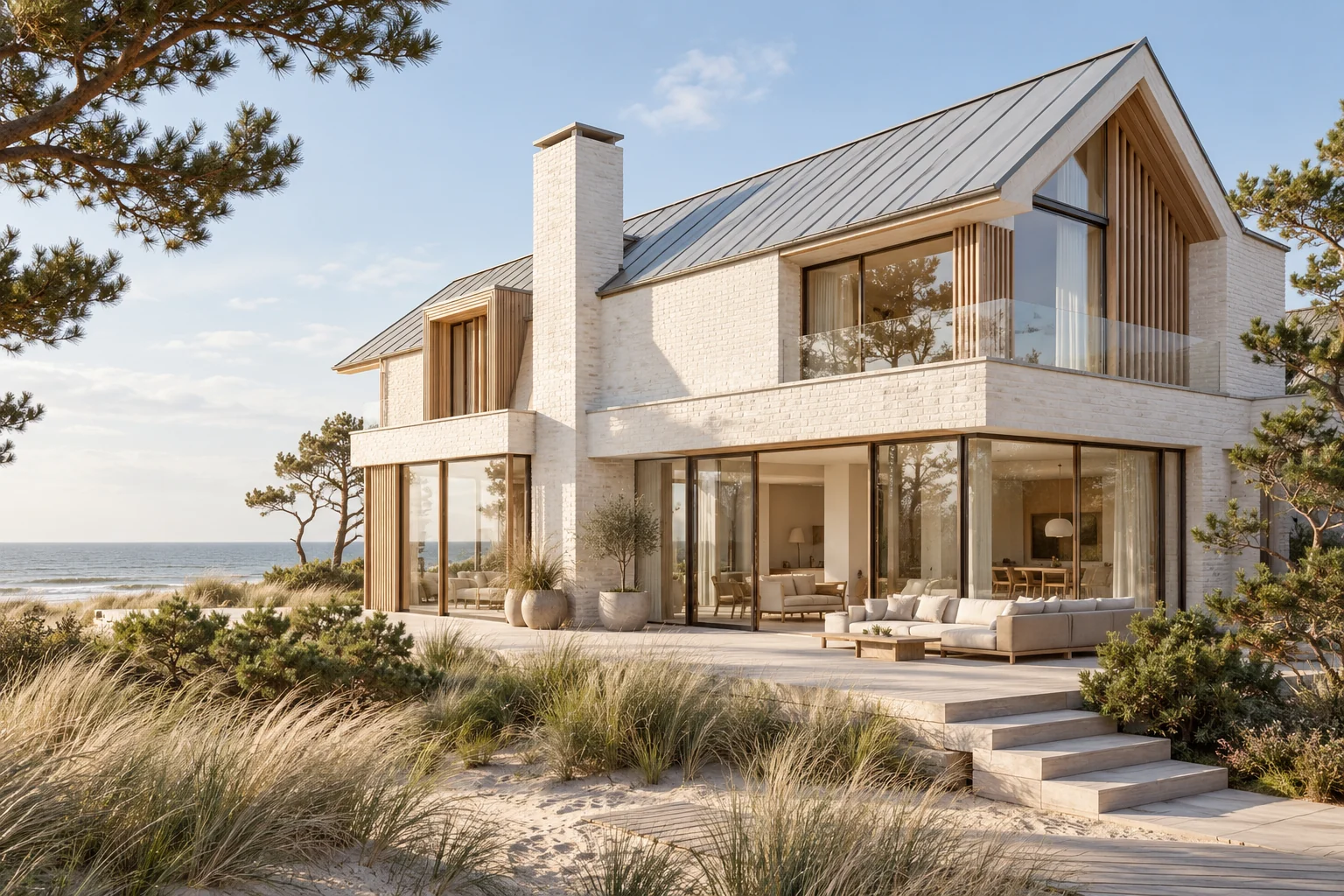
A situation to test your plan against
A bright room should remain usable on sunny days. Assess desired daylight together with shading, ventilation and seating position. One photograph cannot show how the room changes through the day.
What this work involves
Consider the room from inside and coordinate the opening with structure, roof build-up, operation and shading.
- Position and daylight distribution
- Operation and shading
- Weatherproofing and internal lining
Compare glazing and shading as connected envelope components.
What the drawing needs to explain
Record window orientation, opening elements and existing shade. Add the main use periods so a specialist can assess the comfort question concretely.
Allow for later maintenance
Keep operating instructions and maintenance agreements for the different systems together. Record where filters and inspection points must remain accessible.
Which trade-off matters?
More glazing does not automatically call for active cooling. Compare window size, shading and use first, then assess which technical provisions are appropriate.
Compare the complete intervention
Compare the complete comfort solution, including controls and maintenance. A lower glazing price says little if it creates a need for other measures or adaptations.
How to review the result
Request an explanation of controls and comfort-plan assumptions. Check openings and accessible components; behaviour across seasons may require follow-up.
Cost factors for this service
Costs depend on size, glazing type, structural alterations and finishes. Ask for the scope and selected specification to be described separately.
Bring this to the discussion
Photographs of the existing situation, available drawings and your requirements for roof windows, domes & rooflights. Identify the elements that should remain.
Questions about the work
What should I discuss before arranging roof windows, domes & rooflights?
A larger rooflight does not always give a better result. Consider overheating, privacy and how light is distributed in the room.
Does plenty of daylight mean plenty of glass?
Not automatically. Position, layout and shade help determine where light reaches. Assess windows and rooflights against intended use and the desired control of solar heat.
The design situations here illustrate choices; they are not completed projects or a diagnosis of your property.